Best Diabetic Retinopathy Treatment Surgeon
in Islamabad
Annual screening, laser photocoagulation, anti-VEGF — protecting diabetic vision.
Screening: 30 min. Laser/injection: 15 min
Procedure Time
Same-day discharge for all outpatient procedures
Recovery
90% vision preservation with early treatment
Success Rate
Diabetic Retinopathy Treatment in Islamabad — Why Choose FIO Hospital?
Diabetic Retinopathy Treatment in Islamabad is available at FIO Hospital Islamabad (Blue Area, Jinnah Avenue, Islamabad). Diabetic retinopathy is the leading cause of blindness in working-age Pakistanis — yet 90% of vision loss is preventable with timely treatment. FIO Hospital provides annual fundus photography screening, ZEISS CIRRUS HD-OCT for macular assessment, fluorescein angiography, laser photocoagulation, and intravitreal anti-VEGF injections (Avastin, Lucentis, Eylea). All diabetic patients should have a yearly dilated fundus examination regardless of visual symptoms. Islamabad patients benefit from our fellowship-trained specialists, ZEISS CIRRUS HD-OCT 6000 + Multiwavelength laser, and 90% vision preservation with early treatment success rate. We serve patients from Islamabad and all of Capital.
Diabetic retinopathy is the leading cause of blindness in working-age Pakistanis — yet 90% of vision loss is preventable with timely treatment. FIO Hospital provides annual fundus photography screening, ZEISS CIRRUS HD-OCT for macular assessment, fluorescein angiography, laser photocoagulation, and intravitreal anti-VEGF injections (Avastin, Lucentis, Eylea). All diabetic patients should have a yearly dilated fundus examination regardless of visual symptoms.
Diabetic Retinopathy Treatment Procedure — Step by Step
Screening: fundus photography + OCT. Treatment: laser photocoagulation for proliferative disease. Anti-VEGF injections for diabetic macular edema.
ZEISS CIRRUS HD-OCT 6000 + Multiwavelength laser
Technology
Screening: 30 min. Laser/injection: 15 min
Duration
Same-day discharge for all outpatient procedures
Recovery
90% vision preservation with early treatment
Success Rate
Who is Suitable for Diabetic Retinopathy Treatment in Islamabad?
All diabetic patients (annual screening)
Blurry vision in diabetes
Floaters in diabetic patient
Blood sugar control > 10 years
Hypertension with diabetes
Diabetic Retinopathy Treatment Specialists — Islamabad

Prof. Dr. Mushtaq Ahmad Khattak
Vitreoretinal Surgeon
MBBS, FCPS (Ophthalmology), FCPS (Vitreoretina), MRCS (Glasgow), CPHL (Pakistan), ICO (UK), Fellowship in Vitreoretina (Austria), Fellowship in Vitreoretina (USA)

Dr. Muhammad Rafaaq
Eye Specialist
MBBS, FCPS

Associate Prof. Dr. Naila Obaid
Ophthalmologist
FCPS, Associate Professor
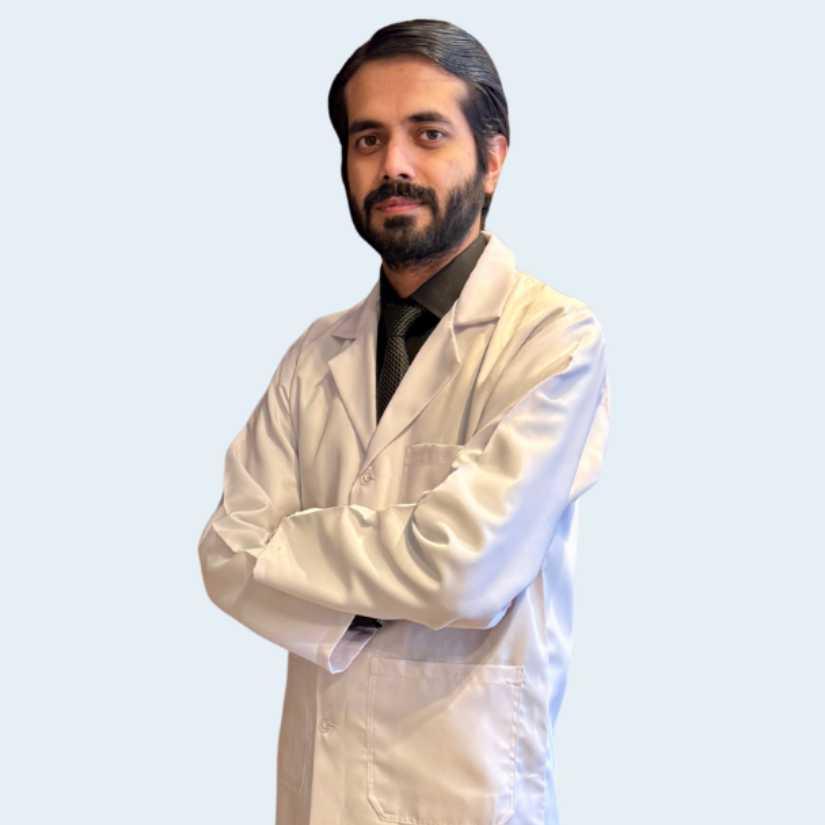
Dr. Hassan Raza
Ophthalmologist
FCPS
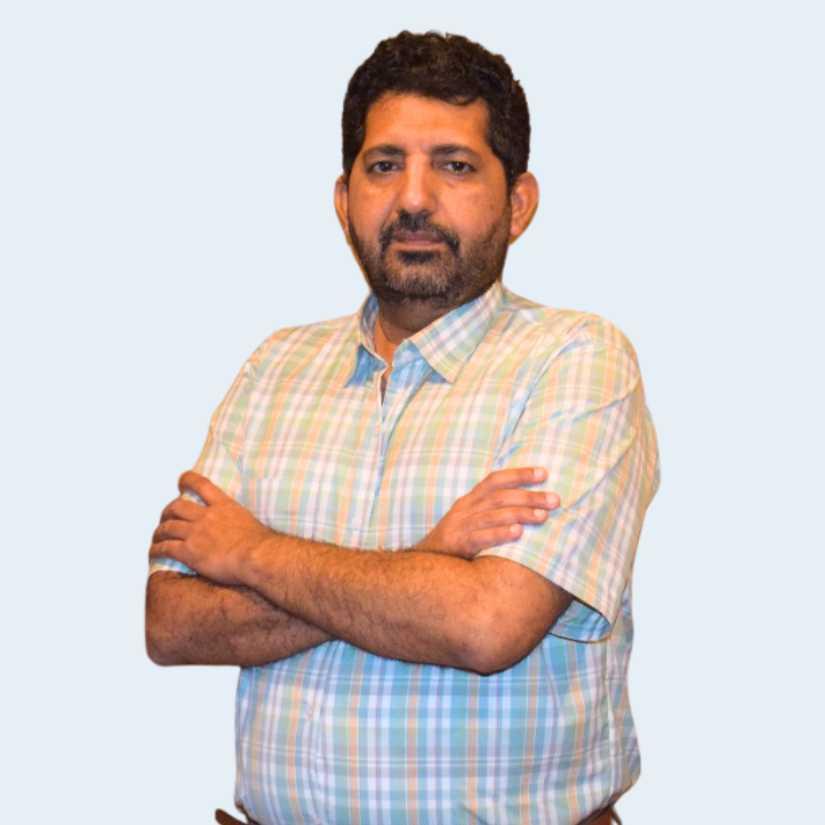
Dr. Riaz Ahmed Memon
Ophthalmologist
MBBS,FCPS
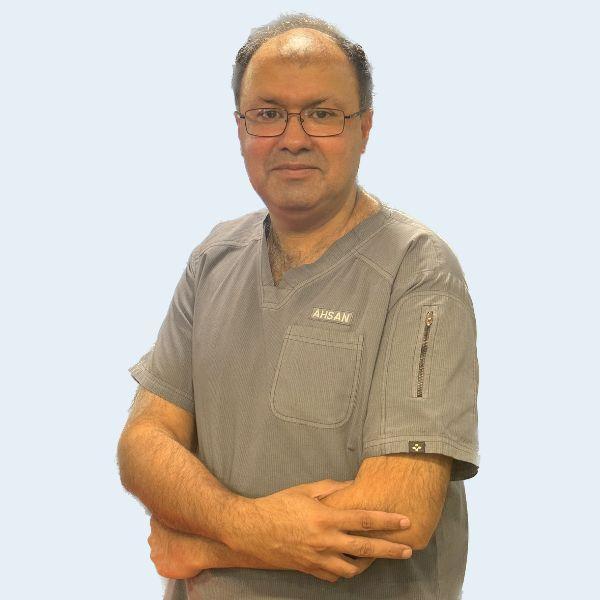
Prof. Lt Col (R) Dr. M. Ahsan Mukhtar
Ophthalmologist
FCPS, Retired Lt. Colonel — AFMS
Diabetic Retinopathy Treatment in Islamabad — FAQs
How often should diabetics have eye check-ups?
Every 6–12 months even with no symptoms. Retinopathy causes no pain or vision loss until advanced — only examination detects it early.
Is diabetic retinopathy curable?
Not curable, but progression is halted with treatment. Anti-VEGF injections can improve vision in macular edema.
I have diabetes but perfect vision — do I need a retinal check?
Yes, absolutely. Diabetic retinopathy causes no symptoms until it is advanced. Annual screening is essential.
How do I book Diabetic Retinopathy Treatment in Islamabad?
Call +92-51-2345678, book online at fiohospital.com, or WhatsApp +92-915-302-6432. Our Islamabad branch at Blue Area, Jinnah Avenue, Islamabad offers same-week appointments.
Is FIO Hospital accredited for Diabetic Retinopathy Treatment in Islamabad?
Yes. FIO Hospital maintains JCI (Joint Commission International) accreditation — the global gold standard. We use ZEISS CIRRUS HD-OCT 6000 + Multiwavelength laser and employ fellowship-trained specialists with international training.
Diabetic Retinopathy Treatment in Other Cities
Other Treatments in Islamabad
Book Your Diabetic Retinopathy Treatment Consultation in Islamabad
90% vision preservation with early treatment success rate · committed to international safety standards