Best Corneal Transplant Doctor
in Sukkur
Full and partial thickness keratoplasty for corneal blindness — PKP, DALK, DSAEK.
1.5–2.5 hours
Procedure Time
3–12 months (full visual recovery)
Recovery
90–95% graft survival at 5 years
Success Rate
Corneal Transplant in Sukkur — Why Choose FIO Hospital?
Corneal Transplant in Sukkur is available at FIO Hospital — accessible from Sukkur via our Nearest FIO: Karachi (5 hrs). FIO Hospital performs all types of corneal grafting. PKP (Penetrating Keratoplasty): full thickness transplant for corneal scarring and advanced keratoconus. DALK (Deep Anterior Lamellar Keratoplasty): replaces the front layers while preserving the patient's own endothelium — lower rejection risk. DSAEK/DMEK: posterior lamellar transplant for endothelial failure (Fuchs dystrophy, bullous keratopathy). Our cornea surgeons have international fellowship training from leading eye banks. Sukkur patients benefit from our fellowship-trained specialists, ZEISS operating microscope, and 90–95% graft survival at 5 years success rate. We serve patients from Sukkur and all of Sindh.
FIO Hospital performs all types of corneal grafting. PKP (Penetrating Keratoplasty): full thickness transplant for corneal scarring and advanced keratoconus. DALK (Deep Anterior Lamellar Keratoplasty): replaces the front layers while preserving the patient's own endothelium — lower rejection risk. DSAEK/DMEK: posterior lamellar transplant for endothelial failure (Fuchs dystrophy, bullous keratopathy). Our cornea surgeons have international fellowship training from leading eye banks.
Corneal Transplant Procedure — Step by Step
PKP: full 8mm disc of diseased cornea replaced with donor tissue. DALK: anterior stroma replaced via big-bubble or manual technique. DSAEK: posterior 100-micron disc rolled and unfolded in anterior chamber.
ZEISS operating microscope
Technology
1.5–2.5 hours
Duration
3–12 months (full visual recovery)
Recovery
90–95% graft survival at 5 years
Success Rate
Who is Suitable for Corneal Transplant in Sukkur?
Advanced keratoconus
Corneal scarring
Fuchs endothelial dystrophy
Bullous keratopathy
Failed previous graft
Corneal burns or trauma
Corneal Transplant Specialists — Sukkur

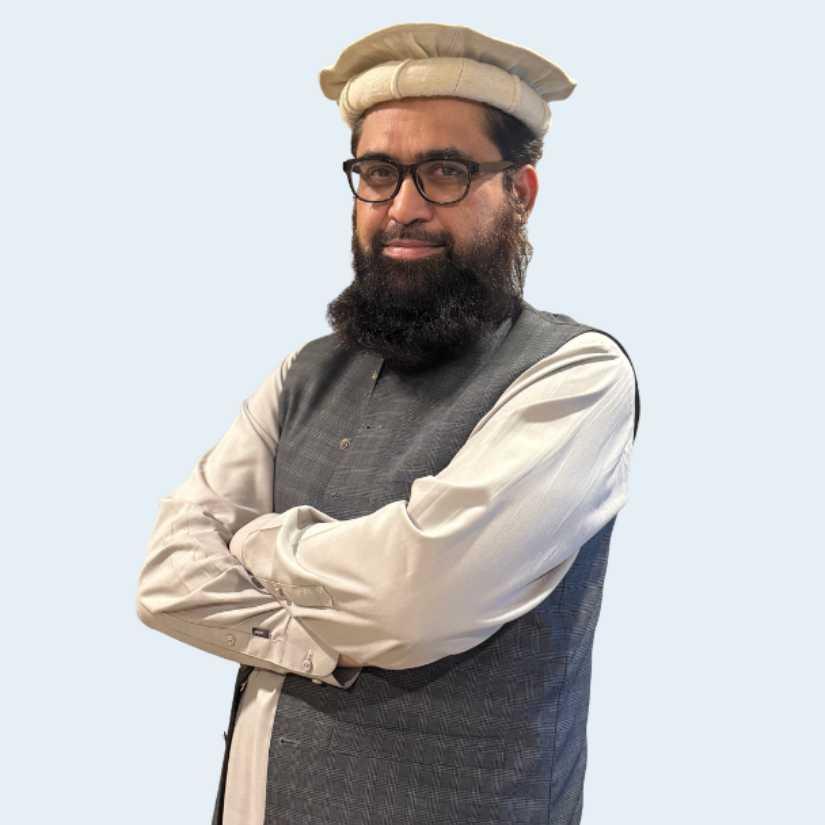
Prof. Dr. Mushtaq Ahmad Khattak
Vitreoretinal Surgeon
MBBS, FCPS (Ophthalmology), FCPS (Vitreoretina), MRCS (Glasgow), CPHL (Pakistan), ICO (UK), Fellowship in Vitreoretina (Austria), Fellowship in Vitreoretina (USA)
Associate Prof. Dr. Javed Rasul
Ophthalmologist
FCPS, Associate Professor — KMC

Associate Prof. Dr. Naila Obaid
Ophthalmologist
FCPS, Associate Professor
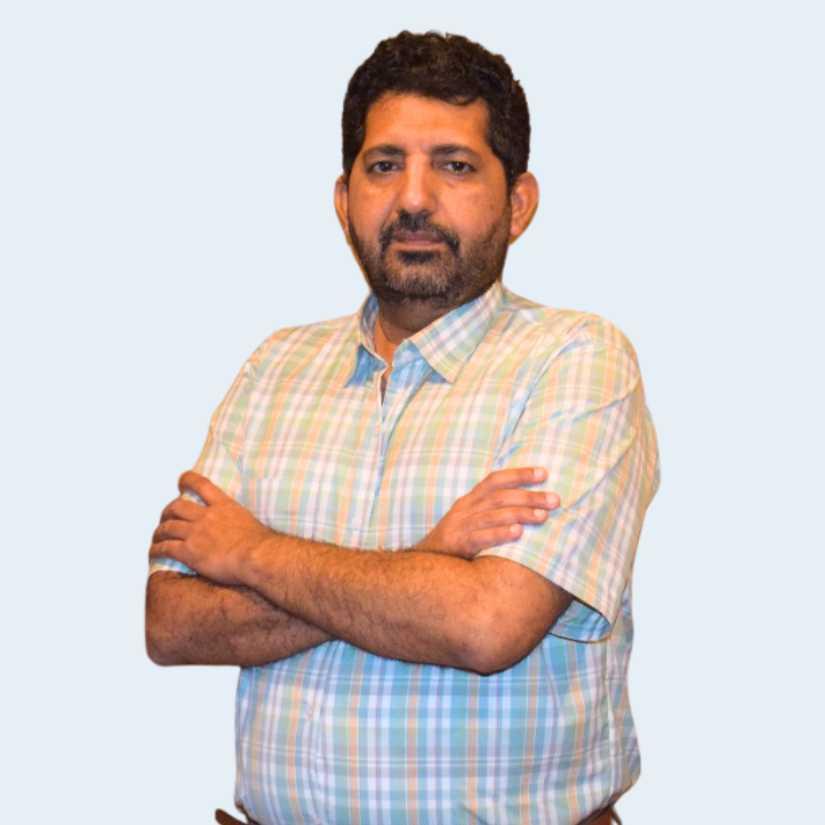
Dr. Riaz Ahmed Memon
Ophthalmologist
MBBS,FCPS
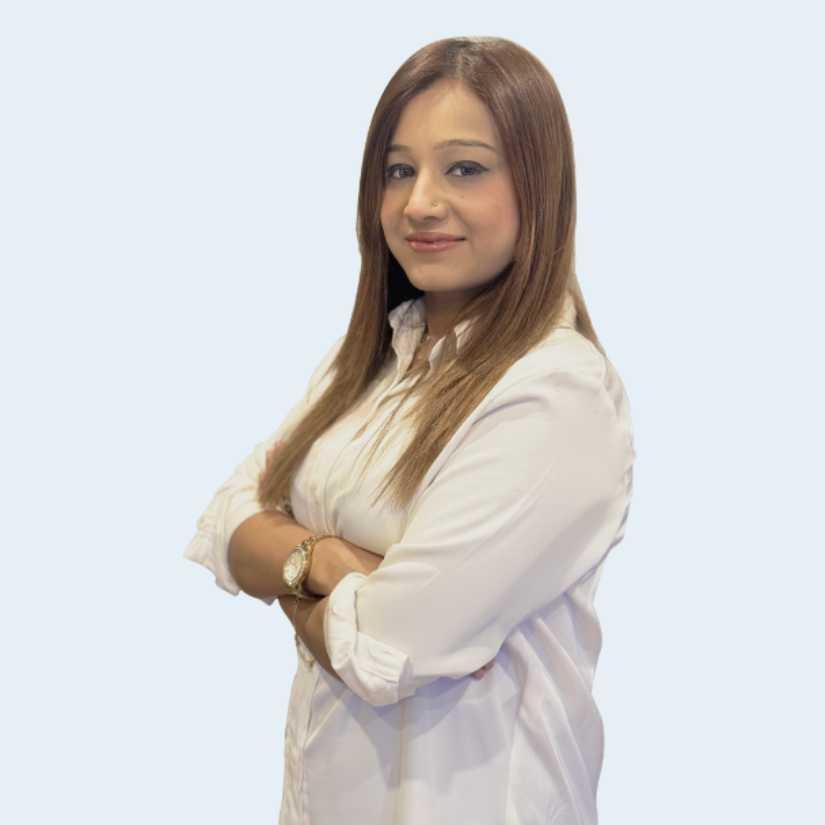
Dr. Afifa Shams
Ophthalmologist
MBBS,MCPS
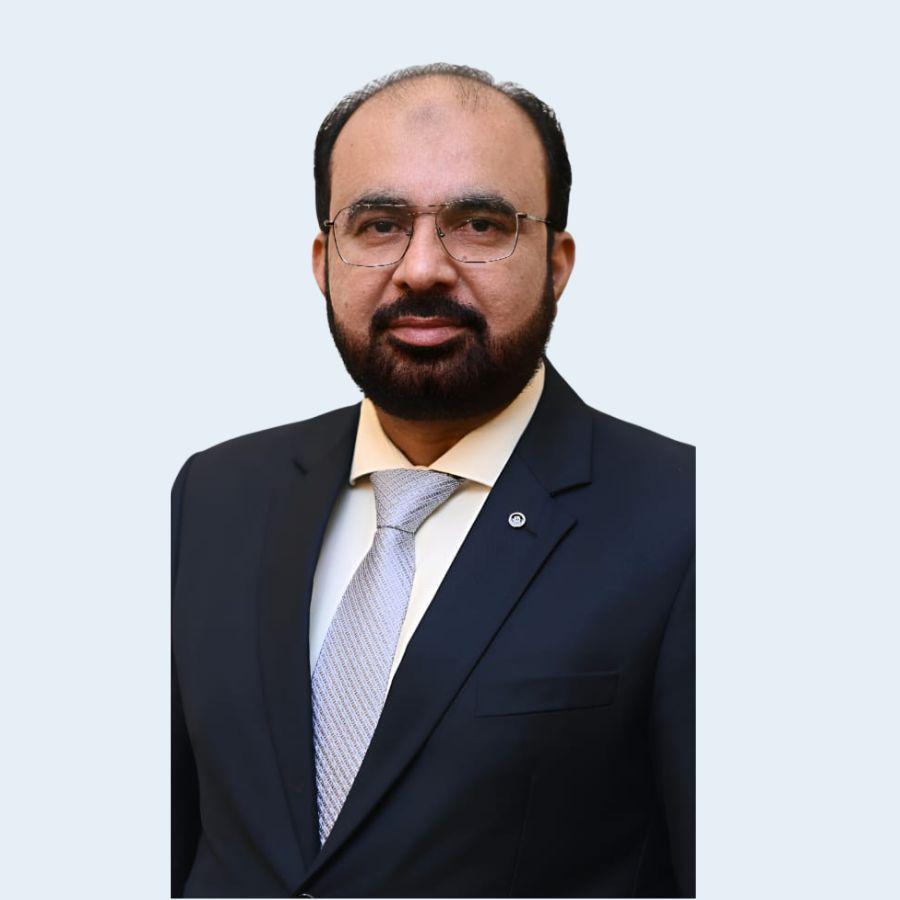
Prof. Dr. Israr Ahmed
Ophthalmologist
MBBS,FCPS,MS,FICO,FACS(USA),FRCS
How Sukkur Patients Reach Us
Serving Sukkur Patients
Nearest FIO: Karachi (5 hrs). Many Sukkur patients travel for internationally aligned, ZEISS technology care.
Nearest Branch: FIO Karachi
Main Shahra-e-Faisal, Shaheed-e-Millat Road, near Baloch Flyover, Karachi.
Corneal Transplant in Sukkur — FAQs
Where does the donor cornea come from?
From deceased donors through licensed eye banks. FIO Hospital only uses tissue from reputable, regulated eye banks with full tissue testing.
Can the body reject a corneal transplant?
Yes — rejection occurs in 10–20% of PKP cases. Symptoms: sudden red painful eye with reduced vision. This is a medical emergency — call FIO immediately.
How long do I need to use steroid eye drops after transplant?
Typically 1–2 years, tapering gradually. Compliance is critical to prevent rejection.
How do I book Corneal Transplant in Sukkur?
Call +92-21-3456789, book online at fiohospital.com, or WhatsApp +92-915-302-6432. Serving Sukkur from Nearest FIO: Karachi (5 hrs).
Is FIO Hospital accredited for Corneal Transplant in Sukkur?
Yes. FIO Hospital maintains JCI (Joint Commission International) accreditation — the global gold standard. We use ZEISS operating microscope and employ fellowship-trained specialists with international training.
Corneal Transplant in Other Cities
Other Treatments in Sukkur
Book Your Corneal Transplant Consultation
90–95% graft survival at 5 years success rate · committed to international safety standards